Why Traditional Sustainability Efforts Are Failing Our Urban Environments – The Shocking Truth Behind Green Initiatives
Climate change is reshaping our world, and cities are at the forefront of this challenge. You might think traditional sustainability efforts are enough, but the truth is they’re falling short. Urban areas need a new approach to climate resilience that goes beyond simply reducing emissions.
Your city is likely struggling to adapt to the new climate reality. The old playbook of sustainability isn’t cutting it anymore. You need to start thinking about urban resilience in a whole new way. This means looking at how your city can bounce back from climate shocks and stresses, not just try to prevent them.
Urban systems must transform to meet the challenges of the future. You can’t just focus on sustainability – you need to build resilience too. This isn’t about giving up on reducing your carbon footprint. It’s about creating cities that can thrive no matter what climate change throws at them. Are you ready to rethink everything you thought you knew about urban climate action?
The Urban Climate Conundrum
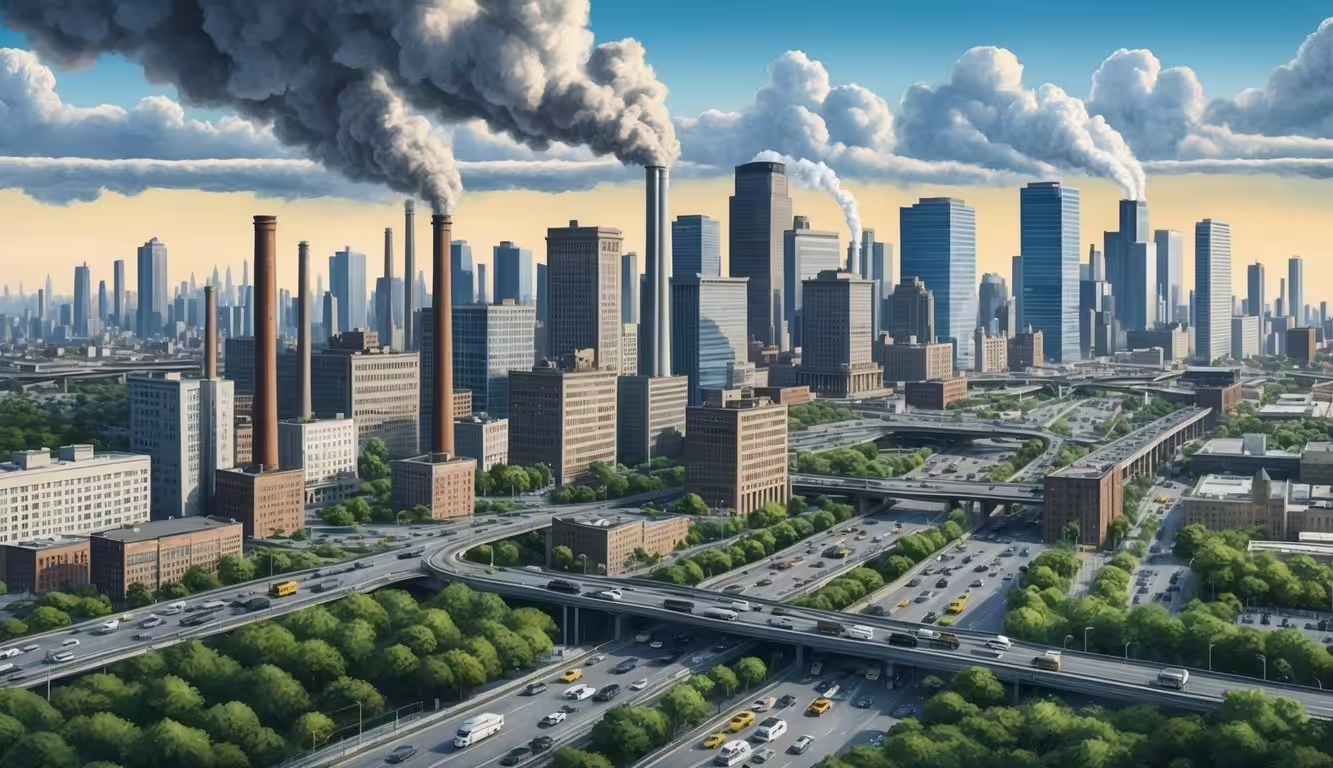
Cities face mounting challenges from climate change. Current efforts to address these issues often fall short, leaving businesses and communities to bear hidden costs. The situation demands a radical rethinking of urban sustainability approaches.
The Escalating Impact Of Climate Change On Cities
You’ve likely noticed changes in your city’s weather patterns. Heatwaves are more frequent and intense. Floods and storms cause greater damage. Air quality worsens on hot days.
These aren’t isolated incidents. Urban areas contribute about 75% of global carbon emissions. As cities grow, so does their climate impact.
You’re facing rising energy costs to cool buildings. Water shortages threaten your daily life. Extreme weather disrupts transportation and supply chains.
Urban infrastructure struggles to cope. Roads buckle in heat. Sewers overflow in heavy rain. Power grids fail during peak demand.
Why Current Environmental Sustainability Efforts Fall Short
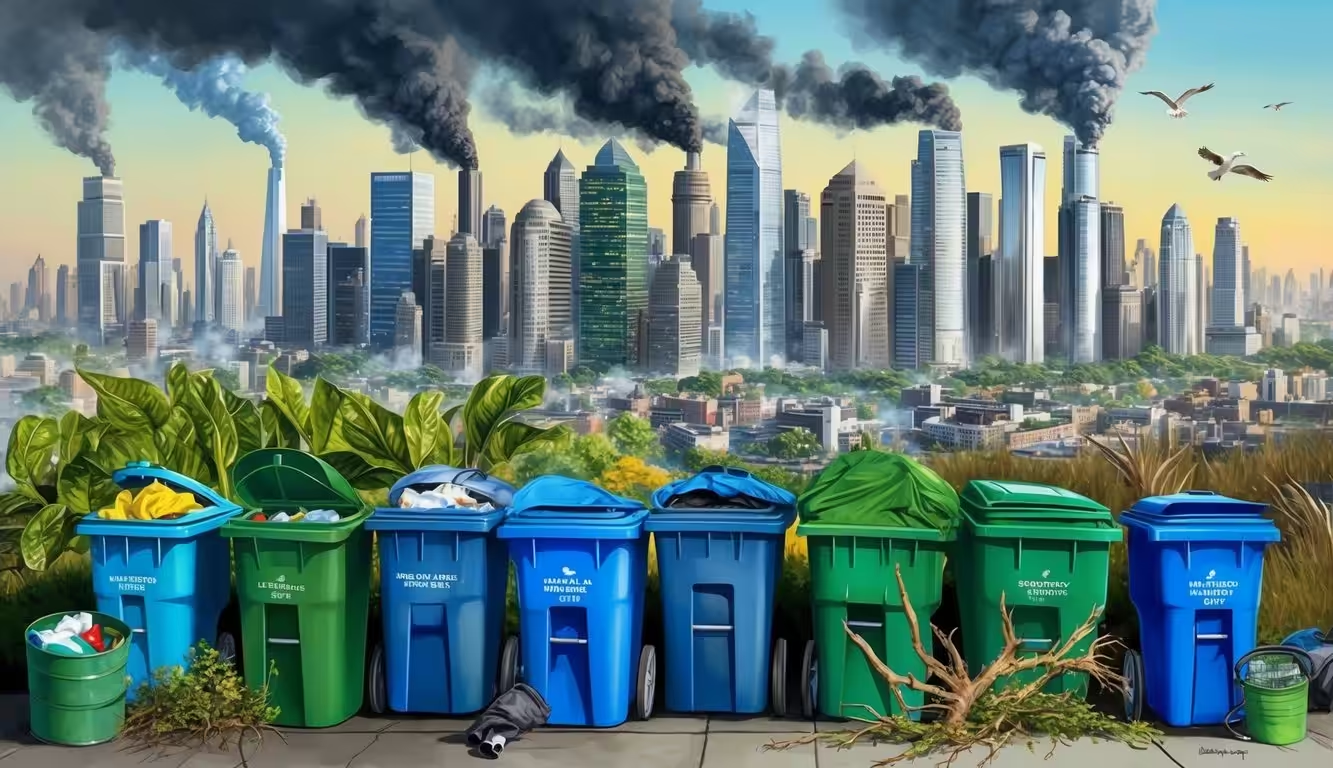
You’ve seen the green initiatives. Solar panels on roofs. Bike lanes on streets. Recycling bins in parks. But are they enough?
Traditional approaches often ignore urban complexity. They fail to address the interconnected nature of city systems.
Piecemeal solutions can’t solve systemic problems. Planting trees is good, but it doesn’t fix broken public transit. Energy-efficient buildings help, but not if people drive long distances to reach them.
Current efforts often lack scale and urgency. Small pilot projects can’t match the pace of urban growth and climate change.
The Hidden Costs Of Inaction For Businesses And Communities
You might think climate action is expensive. But have you considered the cost of doing nothing?
Businesses face disrupted operations from extreme weather. Property values fall in flood-prone areas. Insurance premiums rise for climate-vulnerable assets.
Communities bear health costs from air pollution and heat stress. Disadvantaged neighborhoods suffer most, widening inequality.
Urban sustainability challenges disproportionately affect the poor. They can’t afford to move or adapt.
Inaction today means higher costs tomorrow. Delaying upgrades to infrastructure makes them more expensive later. Failing to invest in resilience leaves cities unprepared for future shocks.
The Urgency Of Addressing Urban Climate Challenges
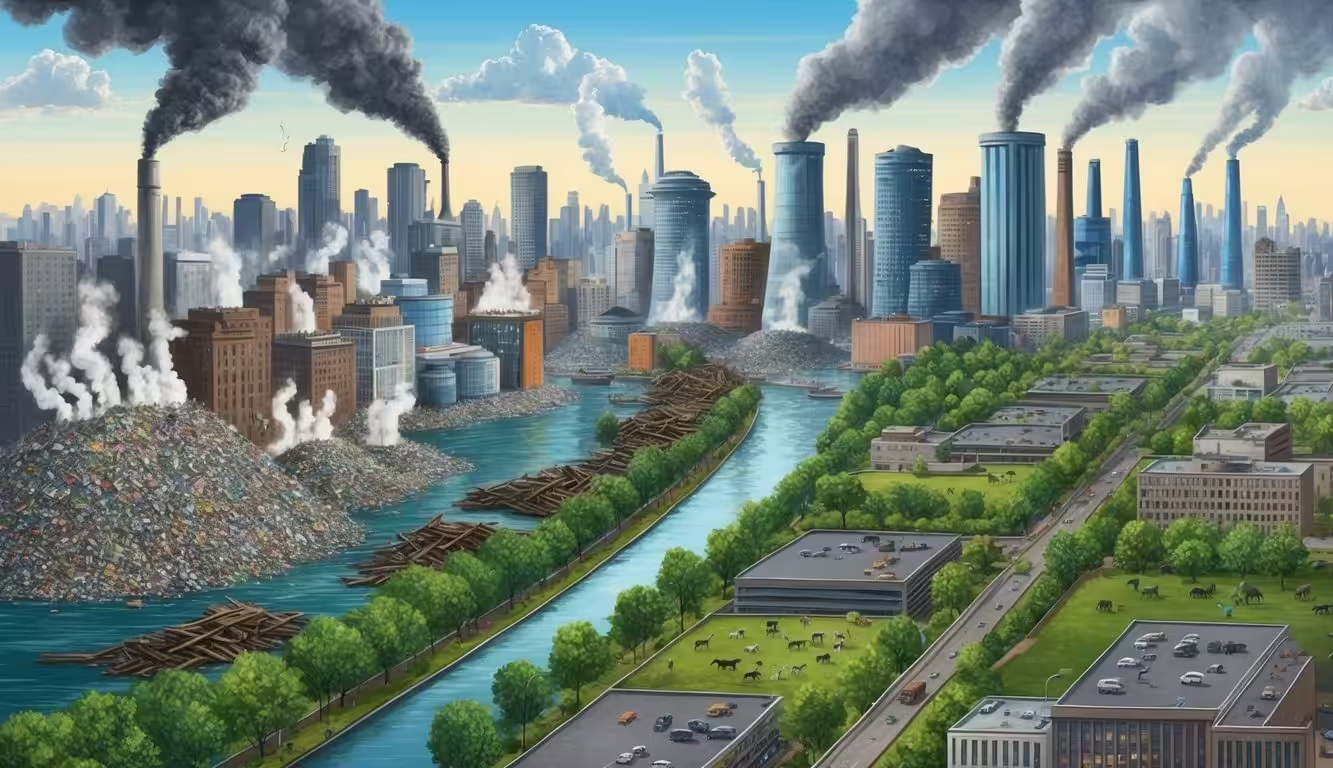
Cities face mounting climate risks that demand immediate action. The consequences of inaction are far-reaching, affecting economies, public health, and global climate patterns.
Economic Implications Of Climate-Vulnerable Cities
Your city’s economy is at stake. Urban areas generate over 80% of global GDP, making them crucial for financial stability. Climate change threatens this prosperity.
Extreme weather events can devastate infrastructure. Floods, heatwaves, and storms disrupt business operations and supply chains. The costs are staggering.
You’ll see property values plummet in high-risk zones. Insurance premiums will skyrocket, making coverage unaffordable for many. This creates a domino effect of economic instability.
Job losses will mount as climate-vulnerable industries struggle. Tourism, agriculture, and outdoor-based businesses are particularly at risk. Your community’s economic resilience is on the line.
Social And Health Consequences Of Urban Environmental Degradation
Your health and well-being are under siege. Urban climate challenges pose serious threats to public health and social cohesion.
Air pollution chokes your lungs, leading to respiratory diseases and premature deaths. The urban heat island effect amplifies heatwaves, putting vulnerable populations at risk of heat stroke.
Water scarcity looms large. Droughts and contamination threaten your access to clean water. Waterborne diseases could become more prevalent.
Climate-driven inequalities will tear at your community’s fabric. Disadvantaged neighborhoods often bear the brunt of environmental hazards. This exacerbates poverty and social tensions.
Mental health issues will rise. The stress of living in a degraded environment takes its toll. Anxiety, depression, and eco-grief are becoming urban epidemics.
The Compounding Effect: How Urban Issues Exacerbate Global Climate Change
Your city’s problems don’t stay local. Urban climate challenges create a vicious cycle that worsens global climate change.
Energy-hungry cities contribute massively to greenhouse gas emissions. Inefficient buildings and transport systems are major culprits. Your urban choices have planetary consequences.
Urban sprawl destroys natural carbon sinks. As cities expand, forests and wetlands disappear. This reduces the Earth’s capacity to absorb CO2.
Waste management issues compound the problem. Landfills emit methane, a potent greenhouse gas. Your city’s trash becomes the world’s climate burden.
Urban consumption patterns drive global emissions. The products you use daily often have hefty carbon footprints. Your urban lifestyle ripples across the planet.
Conventional Wisdom: The Pitfalls Of Current Approaches
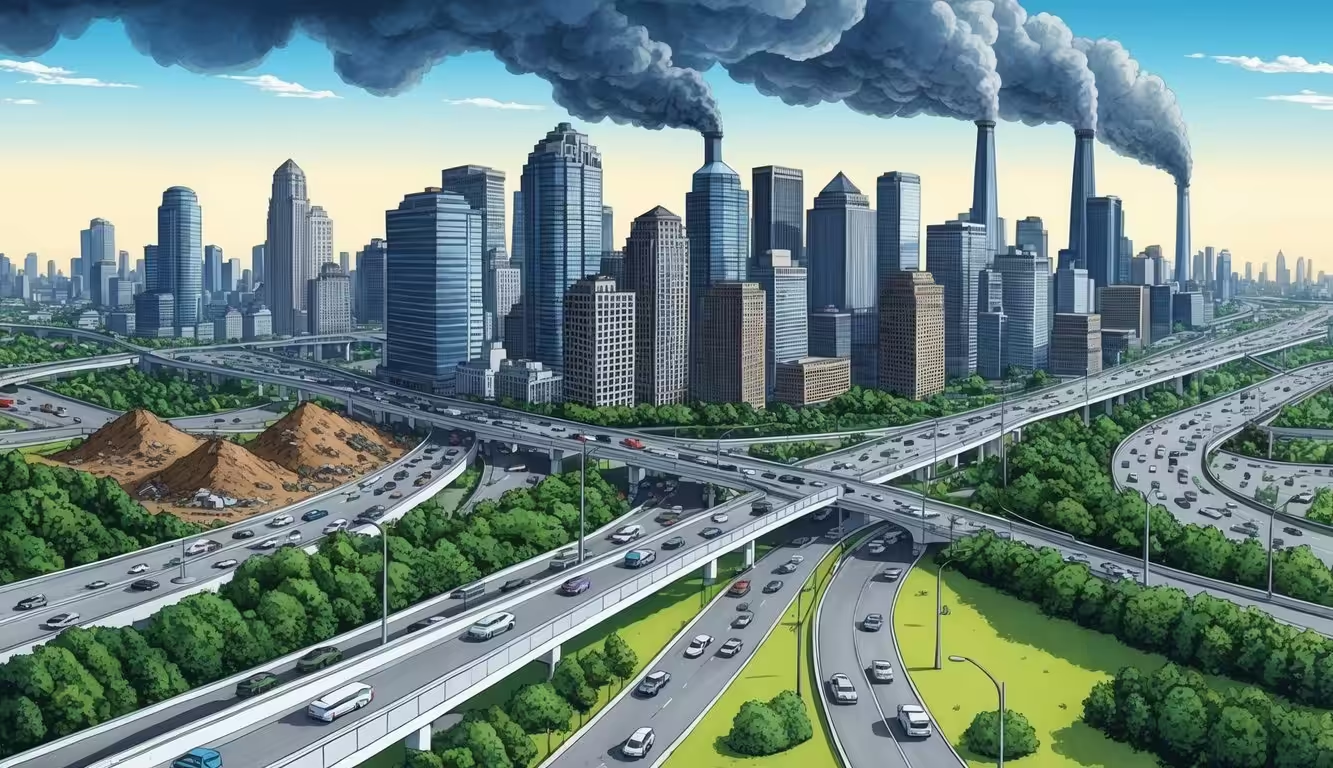
Many urban sustainability efforts seem promising on the surface but have hidden drawbacks. You might be surprised to learn how some popular green initiatives fall short in practice.
The Limitations Of Green Building Initiatives
Green building certifications like LEED have gained traction, but they often miss the mark. While these programs promote energy efficiency and sustainable materials, they tend to overlook broader urban ecosystem impacts.
You’ll find that many certified buildings still contribute to urban heat islands and fail to enhance biodiversity. The focus on individual structures ignores the need for connected green infrastructure and ecosystem services at the city level.
Some green buildings even increase emissions through complex systems that are hard to maintain. You should consider how a building interacts with its surroundings, not just its internal efficiency.
Why Carbon Offsetting Isn’t Enough For Urban Sustainability
Carbon offset programs seem like an easy fix, but they often fall short in urban contexts. You might buy offsets to cancel out your city’s emissions, but this approach ignores local environmental justice issues.
Offsets typically fund projects far from urban areas, leaving city air quality and public health unaddressed. You’re essentially outsourcing your environmental responsibility.
Moreover, many offset projects have questionable long-term impacts. Urban sustainability requires direct action within city limits, focusing on nature-based solutions like urban forests and green spaces that provide multiple benefits beyond just carbon sequestration.
The Unintended Consequences Of Rapid Urban Greening Projects
Quick urban greening efforts often backfire. You might rush to plant trees and create parks, but without proper planning, these projects can cause problems.
Poorly chosen plant species can increase allergens or water consumption. Rapid greening without community input may lead to gentrification, pushing out long-time residents.
Some greening projects actually reduce urban ecological resilience by creating fragmented habitats. You need to consider long-term maintenance costs and the impact on existing urban ecology.
Effective urban greening requires a holistic approach. It should integrate with stormwater management, improve the urban heat island effect, and enhance biodiversity while serving community needs.
A Contrarian View: Embracing Urban Density For Climate Resilience
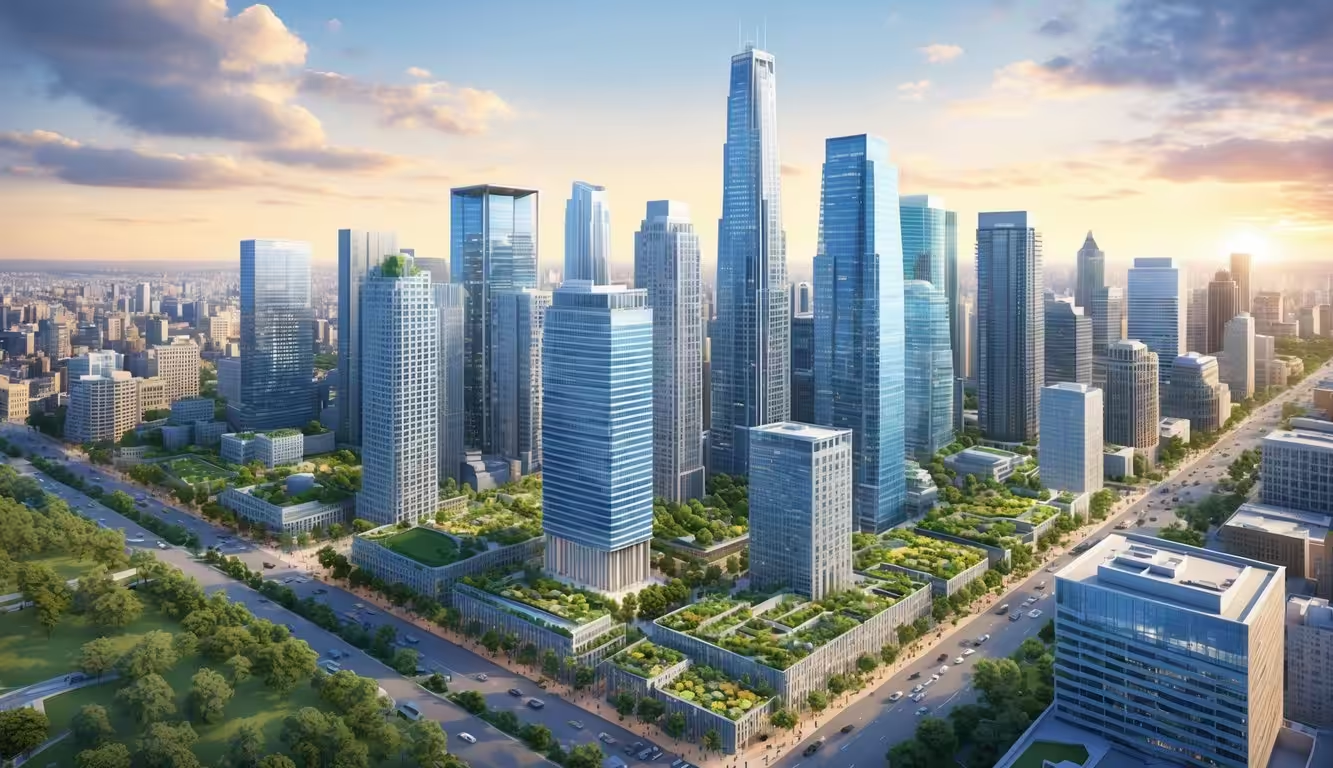
Urban density can be a powerful tool for climate resilience. By rethinking how we build and live in cities, you can create more sustainable and adaptable urban environments.
The Counterintuitive Benefits Of High-Density Urban Living
You might think sprawling suburbs are better for the environment, but dense cities offer surprising advantages. Urban areas with higher population density tend to have lower per-capita carbon emissions. This is because:
- Shared resources and infrastructure are more efficient
- Shorter travel distances reduce transportation emissions
- Compact housing uses less energy for heating and cooling
In fact, New York City’s per-capita emissions are just 30% of the U.S. average. By living closer together, you’re actually helping the planet.
How Vertical Development Can Foster Environmental Sustainability
Building up instead of out is key to sustainable urban growth. Vertical development:
- Preserves green spaces and natural habitats
- Reduces urban sprawl and land consumption
- Enables more efficient energy and water systems
Innovative technologies like vertical farms and green walls can bring nature into the urban landscape. These solutions help maintain the human-nature connection while maximizing space in dense cities.
Rethinking Urban Transportation: Beyond Electric Vehicles
Dense cities open up new possibilities for sustainable transportation. While electric vehicles are part of the solution, you can go further:
- Promote walking and cycling with dedicated infrastructure
- Invest in efficient public transit systems
- Implement car-free zones in city centers
These strategies not only reduce emissions but also improve air quality and public health. By rethinking urban mobility, you can create more livable and resilient cities.
Implementing The Urban Density Solution: A Practical Guide
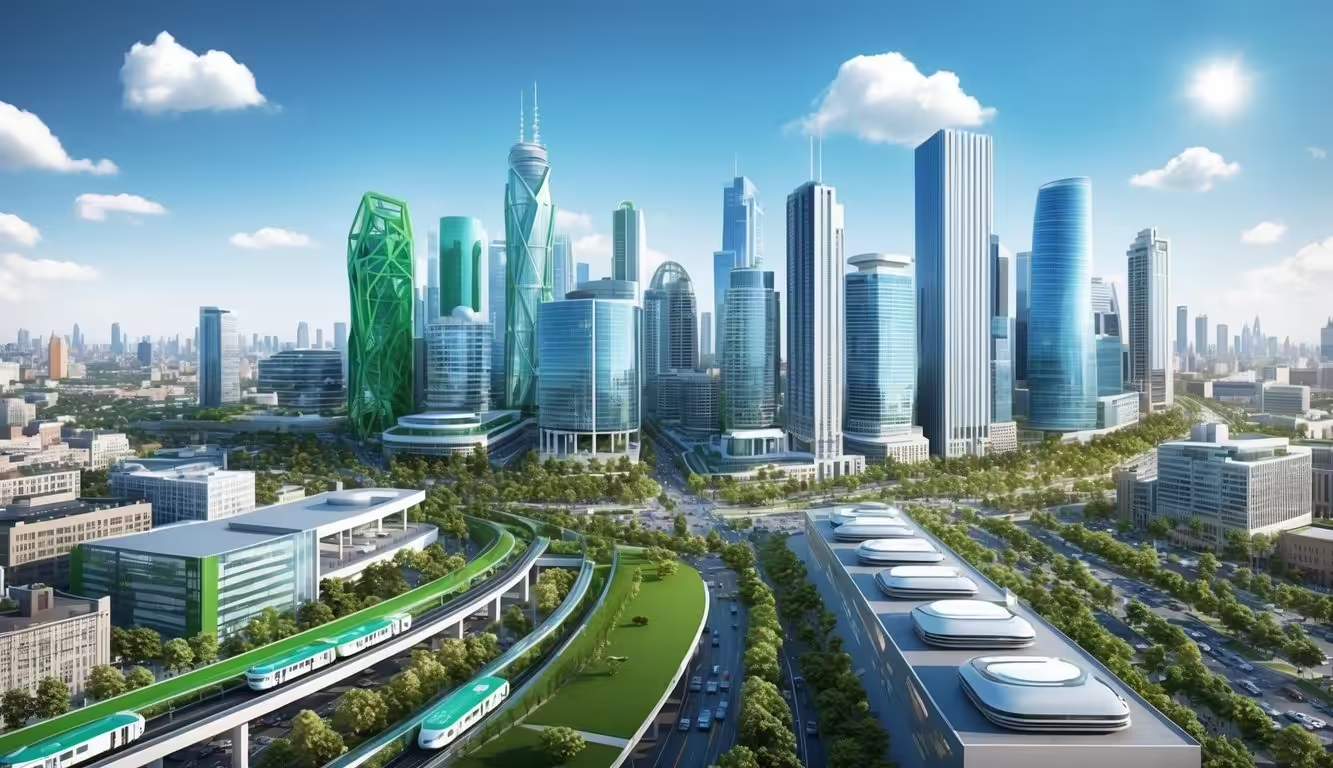
Urban density offers a powerful tool for tackling climate change. You can reshape cities to be more sustainable and resilient through smart design, technology, and community involvement.
Redesigning Cities For Climate Resilience And Sustainability
Start by reimagining your city’s layout. Focus on mixed-use developments that bring homes, workplaces, and amenities closer together. This cuts down on travel and energy use.
Create green spaces throughout. Urban parks and rooftop gardens cool the air and soak up rainwater. They also give people places to relax and connect.
Rethink transportation. Build bike lanes and wide sidewalks. Boost public transit options. Make it easy for people to get around without cars.
Update building codes. Require energy-efficient designs and materials. Push for green roofs and solar panels on new structures.
Leveraging Technology For Efficient Resource Management In Dense Urban Areas
Embrace smart city tech. Use sensors to track energy use, water flow, and air quality in real-time. This helps you spot issues fast and fix them.
Set up smart grids. These modern power systems can handle renewable energy better. They also let people track and cut their energy use.
Try AI-powered traffic management. It can reduce congestion and cut emissions from idling vehicles.
Use big data to plan better. Analyze patterns in how people move and use resources. This helps you make smarter choices about where to put new housing or transit lines.
Cultivating Community Engagement In High-Density Sustainability Efforts
Get residents excited about density. Show how it can mean more vibrant neighborhoods and lower living costs.
Start community gardens. They bring people together and teach about local food production.
Host eco-events. Organize group bike rides or recycling drives. Make sustainability fun and social.
Create online platforms where people can share ideas and track progress on green goals.
Offer incentives for green behaviors. Give tax breaks for energy-efficient home upgrades or using public transit.
Overcoming Resistance: Addressing Concerns About Urban Densification
Talk openly about worries. Many fear crowding or losing neighborhood character. Show examples of well-designed dense areas that are lively and pleasant.
Stress the health benefits. Denser cities often mean cleaner air and more walking.
Highlight cost savings. Compact living can mean lower utility bills and transport costs.
Address privacy concerns. Showcase smart designs that create personal space even in multi-unit buildings.
Be clear about the climate impact. Explain how density fights sprawl and cuts emissions.
The Path Forward: Leading The Urban Climate Revolution
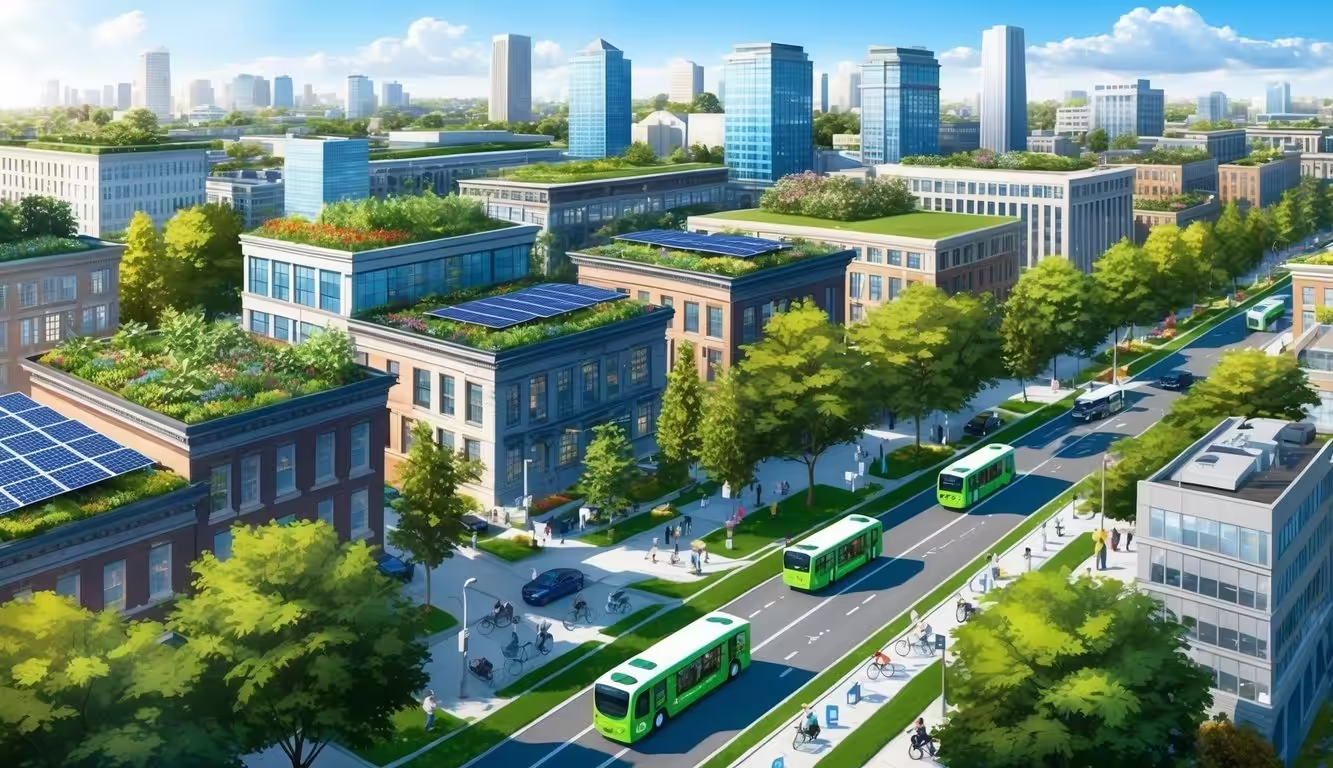
Cities are at the forefront of climate action. You have the power to drive meaningful change through innovative approaches and collaborative efforts.
The Role Of Business Leaders In Driving Sustainable Urban Development
As a business leader, you play a crucial role in shaping sustainable urban environments. Your decisions can spark systemic change in cities. Embrace bold initiatives that go beyond traditional sustainability efforts.
Consider these actions:
- Invest in cutting-edge climate technologies
- Redesign your supply chains to minimize urban carbon footprints
- Create green job opportunities in urban areas
Don’t shy away from unconventional ideas. Challenge the status quo and push for innovative solutions that can transform urban landscapes.
Collaborative Opportunities: Partnering With Local Governments And Communities
You can’t go it alone. Forge strong partnerships with local governments and community groups to amplify your impact. These collaborations are key to creating lasting change in urban environments.
Here’s how you can make it happen:
- Engage in public-private partnerships for sustainable infrastructure projects
- Support community-led initiatives that address local climate challenges
- Participate in urban planning processes to ensure sustainability is prioritized
By working together, you’ll tap into diverse perspectives and resources. This network governance approach can lead to more effective and inclusive climate solutions for cities.
Measuring Success: New Metrics For Urban Environmental Sustainability
It’s time to rethink how you measure success in urban sustainability. Traditional metrics often fall short in capturing the full picture of climate impact in cities.
Consider adopting these new indicators:
| Metric | Description |
|---|---|
| Urban Heat Island Reduction | Measures effectiveness of cooling strategies |
| Green Space Accessibility | Assesses equitable distribution of green areas |
| Circular Economy Index | Tracks waste reduction and resource efficiency |
Don’t limit yourself to carbon emissions alone. Embrace a holistic approach that considers the unique challenges of urban environments. By using more comprehensive metrics, you’ll gain deeper insights into your city’s progress.
Are you ready to lead the urban climate revolution? The time for bold action is now. Your decisions today will shape the cities of tomorrow.
Conclusion: Embracing Change For A Sustainable Urban Future
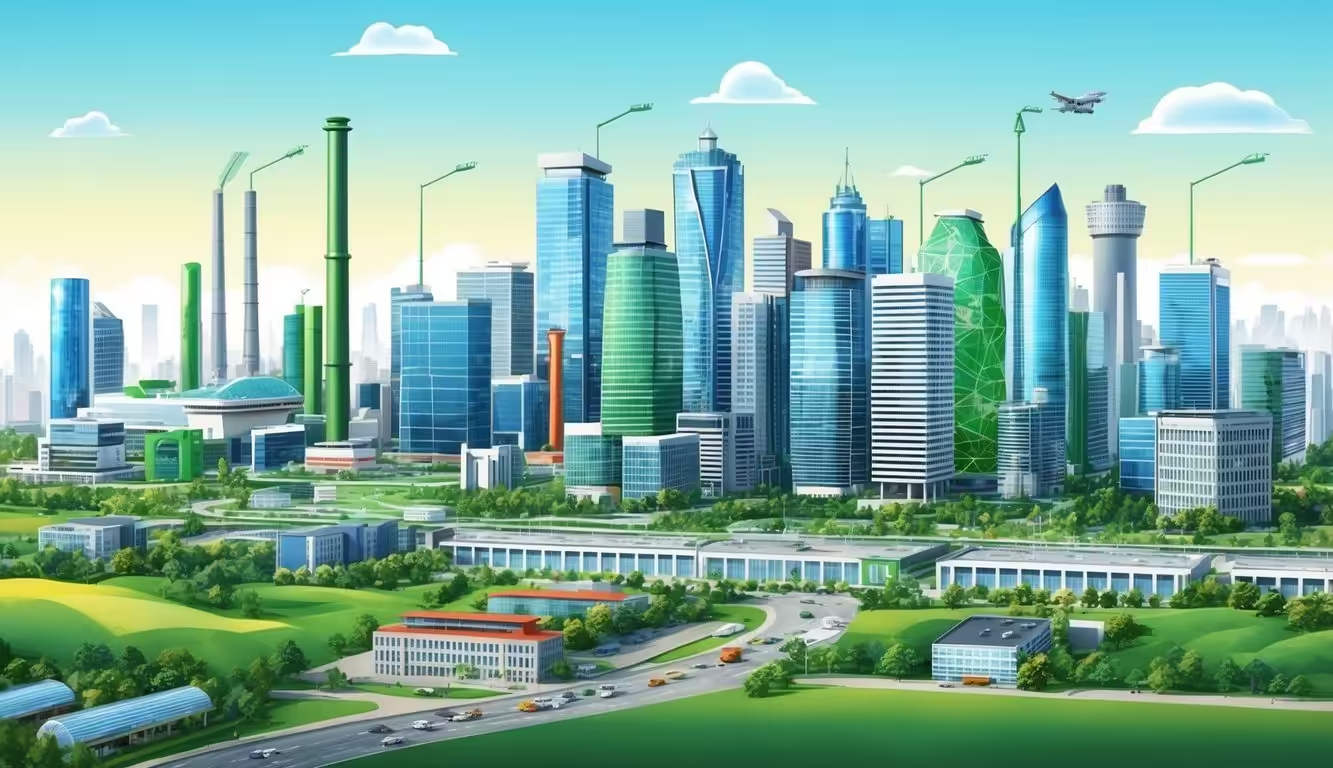
Cities face critical challenges in addressing climate change. Bold action and innovative approaches are needed to create truly sustainable urban environments.
The Risks Of Maintaining The Status Quo In Urban Development
You can’t afford to stick with business as usual in urban planning. Conventional sustainability efforts are falling short in tackling climate threats. Continuing on the current path puts your city at risk.
Sprawling development patterns increase emissions and destroy natural habitats. Car-centric design makes your community vulnerable to rising fuel costs and extreme weather.
You’re missing opportunities for efficiency gains through smart urban design. Without change, your city will struggle to attract talent and investment in a climate-constrained future.
The costs of inaction are rising. Every year of delay makes the transition more difficult and expensive. You must act now to avoid locking in unsustainable urban forms for decades to come.
The Potential For Transformative Impact Through Density-Focused Sustainability
You have immense power to reshape your city for a sustainable future. Compact, mixed-use development can dramatically cut emissions while improving quality of life.
Dense neighborhoods reduce car dependence and preserve green space. You can create vibrant communities where people walk, bike, and use public transit.
Smart growth strategies allow you to accommodate more residents without sprawl. Infill development revitalizes urban cores and protects surrounding ecosystems.
You can design buildings and infrastructure for energy efficiency at scale. District heating, microgrids, and other shared systems amplify sustainability benefits.
By focusing on density, you multiply the impact of every sustainability initiative. Your choices today will determine your city’s climate resilience for generations.
A Call To Action For Urban Innovators And Environmental Champions
You must be bold in reimagining your city. Challenge outdated zoning codes and parking requirements that encourage sprawl. Push for ambitious emissions targets backed by concrete plans.
Seek out best practices from leading cities worldwide. Learn from successful case studies of urban transformation. Adapt innovative solutions to your local context.
Build coalitions with community groups, businesses, and institutions. You’ll need broad support to drive transformative change.
Embrace pilot projects to test new ideas. Use data to refine and scale successful initiatives. Be willing to take calculated risks in pursuit of breakthrough solutions.
Your city’s future depends on your leadership. Will you rise to the challenge of creating a truly sustainable urban environment?